Surge in invoice financing
- Written by: Business Daily Media

Surge in invoice financing as COVID affected businesses are forced to pay up
New data from OptiPay has revealed a two fold increase in enquiries, when compared to last year, in the number of businesses requesting invoice financing. Invoice Financing (or debtor finance) is a revolving Line of Credit against unpaid invoices, to improve business cash flow, after the ATO announced it was resuming tax debt collections.
Optipay, formerly TIM Finance, one of the major players in the industry, has seen numbers spike since the announcement was made in February.
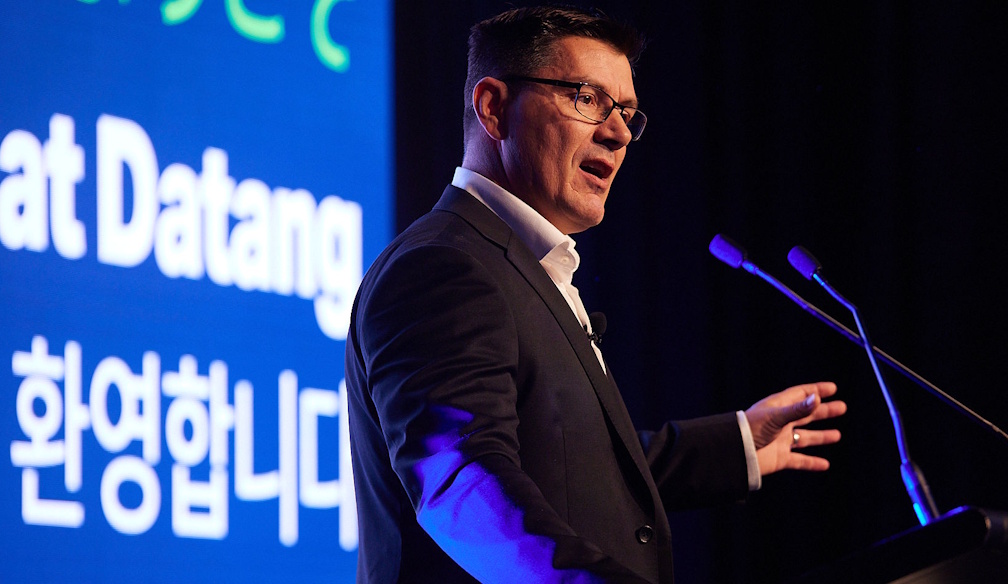
Angus Sedgwick CEO at Optipay says they are seeing the biggest interest coming from manufacturing and wholesale trade industries, as invoices are still taking on average 15-20 days past the due date to be paid, compounding cash flow issues.
“Many companies with annual revenue between $2.0m and $50+ million are trying to fix their cash flow quickly as the ATO has begun contacting businesses individually and with some being issued with demands for payment to restart their overdue tax obligations after exercising leniency during the pandemic, revealing the amount of debt owing to the ATO has climbed 14% from the same time last year to over $40 billion.
“During COVID the average advance rate of total invoice value dipped to under 50% of the facility availability, as the ATO was not collecting tax, but was in fact handing out cash. This rate has now climbed back up to around our long term average of 68% and is expected to go higher with the continued delays in customer payments and current supply chain issues many businesses are experiencing,” says Mr Sedgwick.
“It’s about accessing tomorrow’s cash today so instead of a business having to wait 30+ days to be paid by their customers for goods or services delivered, Invoice Finance allows businesses to access up to 90% of the amount invoiced to their clients front, with the balance less a small fee received with the client/debtor pays their invoice” he said.
“Businesses can typically access up to 90% of their sales revenue within 24 hours of issuing the invoice. Unlike more traditional business loans there are no ongoing repayments back to the financier as they are repaid when the debtor makes payment of the invoice/s. The fee paid to the financier usually ranges from <1% up to 3% of the invoice value”.
“In the USA, UK and Europe, invoice financing is one of the most utilised types of business finance due to its ease and flexibility of use, whereas in Australia it’s estimated that less than 5,000 SMB’s out of over 65,000 eligible businesses utilise invoice funding ”
“During the height of the pandemic the ATO wasn’t collecting debt so for businesses who weren’t paying their BAS or PAYG each quarter that was giving them a fair amount of extra cash flow. Now that the ATO has come knocking – businesses are looking for ways to improve their cash flow in order to meet their statutory debt obligations to the ATO” says Mr Sedgwick.
“Invoice financing is popular amongst wholesale, manufacturing, transport & logistics, labour hire, and services businesses. So essentially any business that invoices another business for goods or services on credit terms.”
About OptiPay
OptiPay, formerly TIM Finance, provides Australian SMB businesses needing cashflow to grow, with innovative funding solutions such as invoice finance, inventory finance and lines of credit. Their range of fast, flexible and affordable financing solutions help businesses solve their cash flow challenges, without the need for property security. Find out more at https://optipay.com.au