After the Market’s Rollercoaster Year, It’s Time to Bring Back “Boring” Stock’s

A leading stockbroker says 2026 may be the year investors rediscover the power of “boring” stocks.
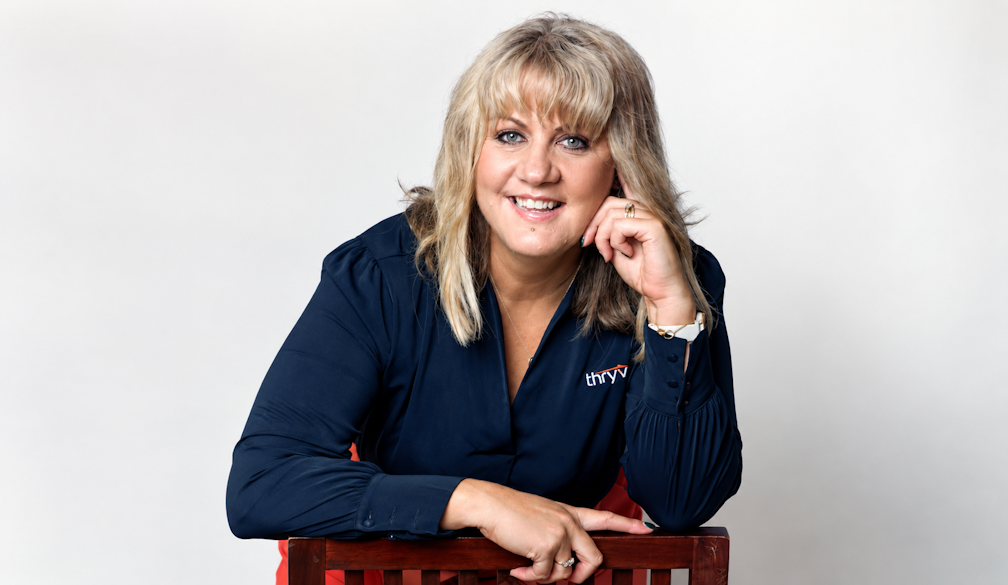
Craig Semmens, CEO of Phillip Capital Australia says after a year of volatility fuelled by AI hype cycles, chip announcements, crypto crashes and day-to-day swings that once would have signalled a crash, the new year will demand a very different mindset from investors.
“The biggest mindset change for 2026 is simple - detach from hype and come back to value,” he says.
“A lot of the hottest stocks are trading at extreme valuations. That doesn’t mean they’re on the slide - it just means they’ve run very hard, very quickly.”
“Next year is shaping as a year where investors may benefit from going back to fundamentals.”
While tech stocks such as NVIDIA, IREN and Firmus Technologies captured global attention, Mr Semmens reminds investors to reconsider what he calls “the boring but brilliant” corner of the market - companies with stable earnings, strong cash flows, dividends and long-term resilience.
“They’re what investors lean on when the market feels shaky.”
“Defensives are the “boring” stocks - predictable, steady, and less sensitive to big swings.”
Mr Semmens points to global names that consistently turn up for investors and will generally withstand any sort of major volatility - Visa, Coca-Cola, McDonald’s and Ford among them.
He says these traditional giants often hold up better when the economy slows, making them an appealing option, as analysts warn of a potential US recession next year.
“These kinds of companies tend to shine when investors begin rotating out of high-growth names and back into value.”
“They have long histories of steady earnings, strong cashflow and predictable demand - qualities that help anchor a portfolio when the market’s more fashionable sectors start to wobble.”
“They don’t dominate the headlines, but they also don’t lose 10% because someone famous tweeted a rumour.”
Mr Semmens says the sharp swings in Bitcoin over recent months surging on optimism, then retreating just as quickly could be a foreshadowing of the wider market mood heading into another year.
“Sentiment is becoming more fragile, momentum is softening, and investors are reacting faster to uncertainty than they did during the height of the tech boom.”
He says several of the biggest AI and tech names have already begun laying off staff, signalling a more subdued outlook moving forward.
“When the companies that led the rally, start tightening their belts, it’s usually a sign the market is bracing for a slowdown.”
“These pullbacks don't necessarily mark the end of the tech story but they do highlight just how overheated parts of the market have been.”
Mr Semmens says there are several reasons the “boring” end of the market could become the most important place to watch in 2026.
- They’re built on everyday demand - people drink soft drinks, swipe cards, use medication, buy groceries and visit fast-food chains no matter what the market is doing. That reliability underpins share price stability.
- They have pricing power - established brands can raise prices without losing customers, helping earnings stay steady even during inflation or downturns.
- They’re less sensitive to headlines - a rumour or a tweet doesn’t send Coca-Cola down 10%. These companies move on fundamentals, not noise.
- They weather recessions better - defensive sectors historically outperform high-growth areas during economic slowdowns or periods of uncertainty.
- They keep delivering dividends – these companies often return capital to shareholders regularly, creating steady income during flat or falling markets.
About: Phillip Capital is a global financial services firm with 50 years’ experience, operating in 15 countries. In Australia, it offers full-service stockbroking, wealth management, research, and global market access and operates under the POEMS name, previously Amscot Stockbroking.