Why Some Homes Feel Expensive Even When They Aren’t
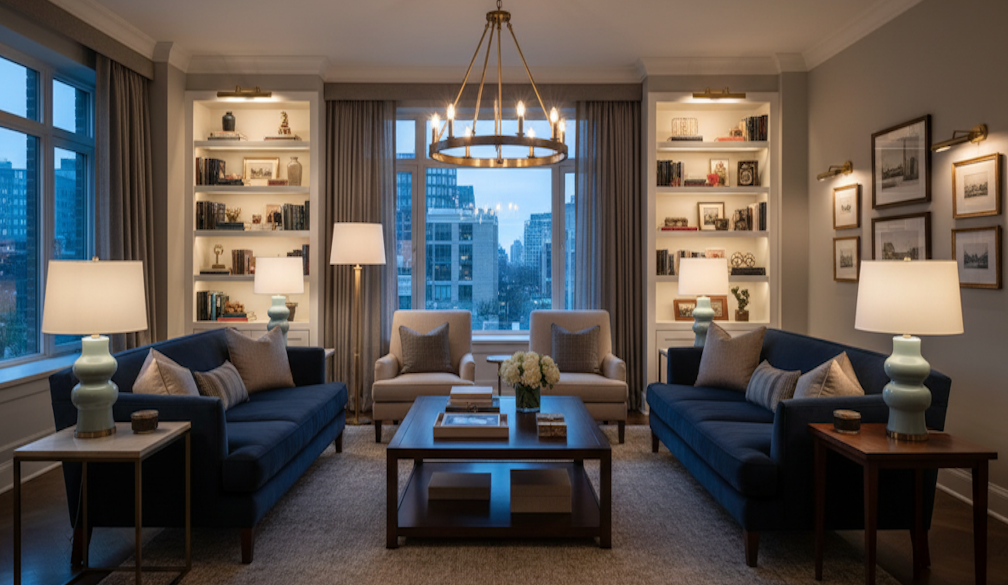
There is a certain kind of home that feels elevated the moment you walk into it. It is calm without being cold, polished without feeling precious, and thoughtful without looking like every decision came from a showroom floor. Interestingly, that feeling is not always tied to how much money was spent. Some homes feel expensive because they are designed, styled, and finished with intention rather than excess.
In many cases, the difference is not about luxury materials or oversized renovation budgets. It comes down to proportion, restraint, texture, lighting, and the way pieces work together. A modest living room with the right layout, layered materials, and a few well-chosen furnishings can feel far more refined than a larger space filled with expensive but disconnected items. Even something as simple as choosing round coffee tables that suit the scale and flow of the room can instantly make a space feel more considered and cohesive.
That is the real secret behind homes that look high-end without actually costing a fortune. They are not trying too hard. They simply understand what creates visual ease, comfort, and balance.
Expensive-Looking Homes Usually Feel Intentional
One of the strongest signals of a beautiful home is intention. When every room feels like it has been thought through, even in a relaxed way, the whole home gains a sense of quiet confidence. This does not mean every corner needs to be styled to perfection. It means the choices feel deliberate.
In an expensive-feeling home, furniture tends to suit the size of the room. Colours relate to each other. Materials are repeated in subtle ways. There is a sense that someone made decisions based on how the home should feel, not just what was available or on sale at the time. That consistency creates visual trust. It tells the eye that the space makes sense.
By contrast, homes can start to feel cheaper when they seem pieced together without any real direction. Too many competing finishes, awkward furniture placement, or cluttered surfaces can make even quality items lose their impact.
Good Lighting Does More Than People Realise
Lighting is one of the biggest contributors to whether a home feels expensive or ordinary. It shapes how colours look, how textures read, and how inviting a room feels at different times of day.
Natural light obviously helps, but it is not the whole story. Homes that feel refined usually use layered lighting well. That means relying on more than one overhead fixture. Table lamps, floor lamps, wall lights, and warm accent lighting all help create atmosphere and depth.
A room lit only by a harsh ceiling light can feel flat, regardless of how nice the furniture is. On the other hand, a room with soft pools of light feels calmer, more intimate, and more luxurious. It gives the impression that the home has been properly finished.
Even simple changes can make a major difference. Swapping cool white bulbs for warm ones, adding lamps at different heights, and avoiding overly bright lighting in living areas can immediately make a home feel more expensive.
Texture Creates Richness Without Needing Luxury Prices
Many high-end homes rely less on loud decoration and more on tactile depth. Texture is what gives a room richness. It is the interplay between timber, linen, boucle, stone, metal, wool, glass, and ceramics that creates a layered, elevated look.
This is one reason some homes feel expensive even when the furnishings themselves are fairly accessible. A simple sofa looks more sophisticated with a textured throw and a few well-chosen cushions in natural fabrics. A plain dining area feels more refined when softened with curtains, a woven rug, timber tones, and subtle decorative objects.
Texture makes a space feel complete. It adds variation without chaos. Importantly, it also stops rooms from feeling flat or overly synthetic. When every surface is smooth, shiny, or manufactured-looking, the home can lose warmth and personality. Mixing textures helps restore that balance.
Restraint Often Looks More Luxurious Than Over-Styling
A common misconception is that expensive homes are filled with more. More décor, more furniture, more statement pieces, more styling. In reality, the opposite is often true.
Homes that feel expensive tend to know when to stop. They leave room around furniture. They avoid overfilling shelves. They let standout pieces breathe. This restraint creates a sense of confidence. It makes a space feel curated rather than crowded.
When everything is competing for attention, nothing looks special. But when a room includes a few strong elements supported by quieter details, the result feels elevated. A beautifully shaped armchair, a sculptural vase, a large rug, or a clean-lined coffee table can all have more impact when they are not surrounded by clutter.
This does not mean a home should feel sparse or impersonal. It simply means editing matters. Thoughtful restraint is one of the clearest visual markers of sophistication.
Scale and Proportion Change Everything
A room can be filled with lovely furniture and still feel slightly off if the scale is wrong. This is one of the least discussed yet most important reasons some homes feel expensive.
Furniture that is too small for the room can make everything feel temporary or underdone. Furniture that is too large can make the room feel cramped and heavy. Similarly, artwork that is undersized, rugs that do not anchor the space properly, or lighting that feels out of balance can all affect the overall impression.
Expensive-feeling homes usually get proportion right. Rugs sit generously beneath key furniture. Coffee tables suit the sofa rather than floating awkwardly in front of it. Beds feel properly framed by bedside tables and lighting. Curtains are hung high enough to enhance the sense of height.
These details may sound subtle, but together they create visual harmony. And harmony is one of the core ingredients in a space that feels polished.
Cohesive Colour Palettes Make a Home Feel Calm and Elevated
A cohesive palette does a lot of heavy lifting in interior design. It helps spaces flow naturally from one area to the next, which in turn makes the home feel more resolved and more expensive.
This does not mean every room needs to be beige or neutral. Colour can absolutely be part of a sophisticated interior. The key is consistency and relationship. Tones should feel like they belong together, even if there is contrast.
Homes that feel high-end often use colour in a restrained, layered way. Instead of ten unrelated shades fighting for space, they build around a smaller palette and introduce variation through tone, material, and texture. This approach feels calmer and more mature.
A cohesive palette also allows the eye to rest. When rooms feel visually noisy, they often feel less refined. When they feel connected, they seem more intentional and more complete.
Finishing Touches Matter More Than Big Statements
People often focus on headline features when trying to make a home look more expensive. They think about a new sofa, a feature wall, or a dramatic light fitting. While those things can help, it is often the finishing touches that truly shape the final impression.
Well-hung curtains, tidy cable management, quality cushions, properly sized rugs, consistent hardware, and thoughtfully styled surfaces all contribute to the sense that a home is finished. These are the kinds of details people do not always consciously notice, but they absolutely feel them.
A room with beautiful furniture can still feel unfinished if the curtains are too short, the lamps are poorly placed, or the surfaces are cluttered with random items. Meanwhile, a more budget-friendly room can feel elevated when those practical details are handled well.
Expensive-looking homes rarely rely on one big reveal. They win through accumulation of smart, subtle choices.
Personality Helps a Home Feel Richer
A home that feels expensive is not necessarily formal. In fact, the most memorable homes often feel personal. They include books, art, collected objects, meaningful pieces, and signs of real life. What makes them feel elevated is that personality is expressed with care.
There is a difference between a home with character and a home with visual noise. Expensive-feeling spaces know how to show personality without losing coherence. They mix old and new. They include pieces with story and warmth. They avoid looking copied directly from a catalogue.
This is often why homes with modest budgets can feel more luxurious than homes filled with costly furniture. Personality gives a space depth. It makes the home feel lived in, not just styled for appearance.
Comfort Is a Luxury in Itself
One of the reasons some homes feel expensive is that they make people feel at ease. The seating is inviting. The layout flows well. The lighting is flattering. The materials feel pleasant to touch. Nothing looks too fragile or too forced.
That sense of comfort is incredibly important. A truly beautiful home is not just nice to photograph. It is enjoyable to spend time in. When a home balances style with livability, it immediately feels more sophisticated.
This kind of comfort does not always require a big budget. It often comes from practical decisions made well. Choosing furniture that suits how people actually live, leaving enough room to move, and creating softness through rugs, curtains, and upholstery can all make a home feel more generous and refined.
Expensive Is Often About Editing, Not Spending
Perhaps the most useful takeaway is this: expensive-looking homes are usually edited better, not just funded better. They understand where to invest attention. They do not chase every trend. They prioritise flow, texture, light, proportion, and cohesion.
That is good news for anyone trying to improve their own space without embarking on a major renovation or spending far more than they need to. A home can feel beautiful and elevated through relatively simple choices, provided those choices support a clear overall feeling.
The goal is not to make a home look flashy. It is to make it feel settled, balanced, and quietly confident. That is what people often read as expensive. And more often than not, it has less to do with money than it does with thoughtfulness.
When a home feels calm, layered, well-proportioned, and genuinely lived in, it carries a kind of understated luxury that no price tag can fully explain.

 Business Daily Media