Why Stainless Sheets are Widely Used in Construction, Manufacturing, and Design
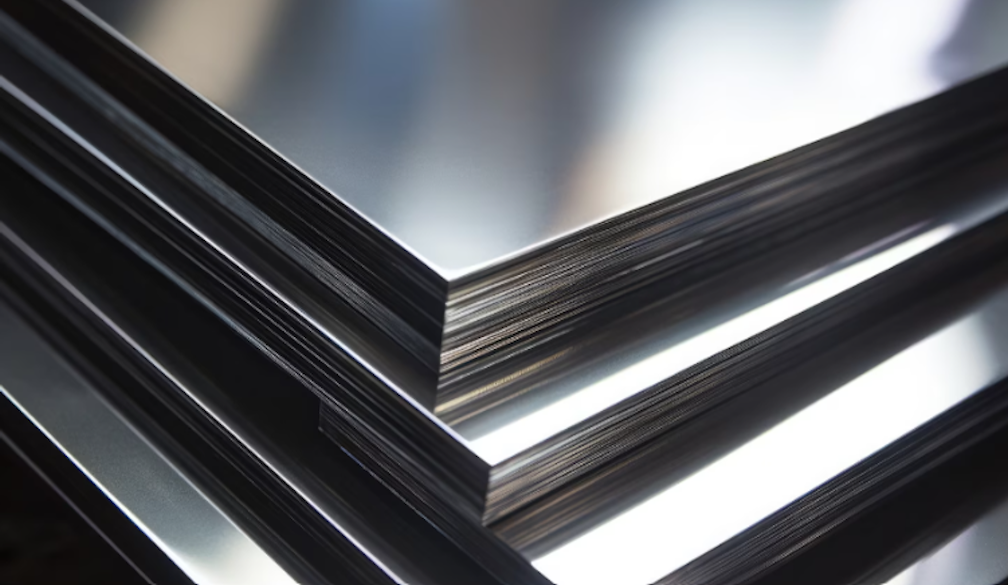
A stainless sheet, often referred to as ‘stainless steel sheet’, is one of the most widely used materials in modern construction, manufacturing, and industrial design. Known for its durability, corrosion resistance, and sleek appearance, stainless sheet plays a crucial role in a wide range of applications, from commercial kitchens and architectural features to industrial equipment and transportation systems. The versatility of stainless sheet allows it to be customised in various thicknesses and finishes to meet the specific requirements of different industries.
Its versatility and strength make it a preferred material for engineers, architects, and manufacturers looking for long-lasting and reliable solutions. As industries continue to prioritise durability and sustainability, stainless sheet remains an essential material across multiple sectors.
What Is A Stainless Sheet?
Stainless sheet is a flat piece of stainless steel that is produced through rolling processes to achieve a specific thickness. It is typically available in different grades, finishes, and sizes to suit various applications.
The key characteristic of stainless steel is its resistance to corrosion. This property comes from the presence of chromium, which forms a thin protective layer on the surface of the metal. This layer prevents rust and damage when the material is exposed to moisture, chemicals, or environmental elements.
Because of this protective property, stainless sheet is widely used in environments where durability and hygiene are important.
Common Applications in Construction
In construction, stainless sheet is often used for both structural and decorative purposes. Architects and builders value the material for its modern appearance, strength, and long lifespan.
Stainless sheets are commonly used for wall cladding, roofing panels, lift interiors, handrails, and decorative architectural elements. The reflective and polished surfaces can enhance the visual appeal of buildings while maintaining resistance to corrosion and wear.
In coastal areas or humid environments where other metals may rust quickly, stainless sheet offers a reliable and long-lasting alternative.
Use in Manufacturing and Industrial Equipment
Manufacturing industries rely heavily on stainless sheets because of their strength and resistance to harsh conditions. Factories use stainless sheets to create machinery components, storage tanks, enclosures, and production equipment.
The material is also widely used in food processing facilities and commercial kitchens. Stainless steel surfaces are easy to clean and resistant to contamination, making them ideal for environments that require strict hygiene standards.
Additionally, stainless sheets are used in automotive and transportation manufacturing, where strength, weight balance, and corrosion resistance are essential.
Advantages of Stainless Sheet
One of the main advantages of stainless sheet is its durability. It can withstand extreme temperatures, moisture, and chemical exposure without deteriorating quickly. This makes it suitable for both indoor and outdoor applications.
Another benefit is its low maintenance requirements. Unlike some metals that require frequent painting or protective coatings, stainless sheet naturally resists rust and corrosion, reducing long-term maintenance costs.
The material is also highly recyclable, which contributes to sustainable construction and manufacturing practices. Many stainless steel products contain recycled materials, making them an environmentally responsible choice.
Different Finishes and Design Possibilities
Stainless sheet is available in various finishes that influence its appearance and function. Common finishes include brushed, mirror, matte, and textured surfaces.
Brushed finishes are often used in appliances and commercial interiors because they provide a clean, modern look while hiding fingerprints and scratches. Mirror finishes are highly reflective and frequently used in decorative applications.
These finishing options allow designers to integrate stainless steel into both functional and aesthetic projects, from industrial equipment to high-end architectural features.
Choosing the Right Stainless Sheet
Selecting the appropriate stainless steel sheet depends on the intended application. Factors such as thickness, grade, and finish should be considered carefully.
For example, certain grades are better suited for food processing environments, while others are designed for structural strength or outdoor durability. Consulting with suppliers or engineers ensures the chosen material meets performance requirements.
Proper fabrication and installation also play a key role in ensuring long-term performance.
Conclusion
Stainless steel remains a vital material across construction, manufacturing, and design industries due to its durability, corrosion resistance, and versatility. From architectural structures to industrial machinery, its ability to perform in demanding environments makes it an indispensable resource.
By selecting the right grade, finish, and application method, businesses and designers can maximise the benefits of stainless steel while achieving both functional and aesthetic goals.
FAQs
What is stainless steel used for?
Stainless steel is commonly used in construction, manufacturing, commercial kitchens, transportation, and architectural design due to its strength and corrosion resistance.
Why is stainless steel resistant to rust?
Stainless steel contains chromium, which forms a protective layer that prevents corrosion and rust when exposed to moisture.
Is a stainless steel sheet suitable for outdoor use?
Yes. Stainless steel is highly resistant to weather, moisture, and environmental conditions, making it ideal for outdoor applications.
Is stainless steel environmentally friendly?
Stainless steel is recyclable and often made with recycled materials, making it a sustainable option for construction and manufacturing.


 Business Daily Media